
If you’ve visited Seven Stones during the summer, you’ve probably seen the gardens at their most vibrant. Flowers are blooming, bees and butterflies are busy, and the gardens seem to be bursting with life. But as summer begins to fade and the first hints of fall arrive along Colorado’s Front Range, the gardens begin a quiet transformation.
Visitors often ask Amy and the garden crew, “What do you do when the seasons change?”
The answer is: quite a lot. Fall in the gardens isn’t about simply cleaning everything up and putting it away until spring. It’s a season of gathering, preparing, protecting, and—perhaps most importantly—slowing down.
Gathering What Will Grow Again
One of the most rewarding parts of the fall garden routine is collecting seeds from this year’s flowers to help create next year’s gardens.
The garden crew gathers seeds from plants including Coreopsis, Black-eyed Susans, Flax, and Mexican hats. What was once a flower becomes a promise for the future.
There’s something beautiful about that process. The flowers may be finishing their season, but they’re also creating what is needed for new life. The garden is already preparing for spring while we’re still enjoying the last colors of fall.
From Flowers to Fallen Leaves
As the leaves begin to fall, the garden crew shifts its focus. Leaves are collected and composted, helping return organic material to the soil rather than simply sending it away.
Flowers are cut back. Weeds are pulled, something that, as Amy will tell you, is really an everyday job, regardless of the season!
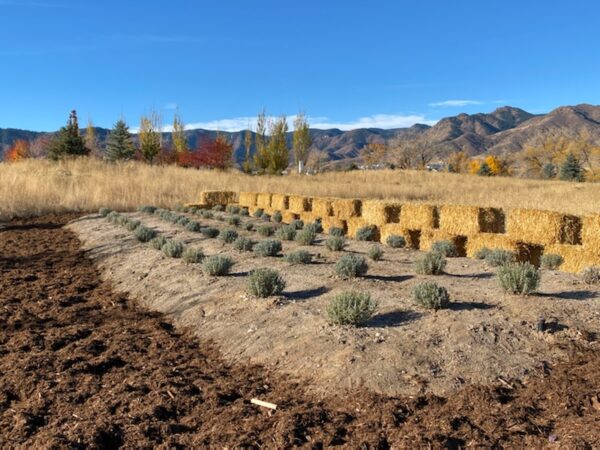
And after the lavender harvest, the lavender plants are cut back and prepared for their next growing season.
Lavender Journey at Seven Stones Chatfield Colorado botanic gardens cemetery
The lavender has also found a life beyond the gardens this year. Some of the beautiful bouquets have been shared with organizations hosting events, allowing something grown at Seven Stones to bring beauty and connection to people beyond our gates.
Preparing the Soil for Winter
As temperatures drop, the garden crew also turns its attention below the surface. Garden beds are prepared for winter and mulch is added to cover and protect the soil. The plants may be becoming dormant, but the soil still needs care.
Think about what happens in our own bodies as the seasons change. We naturally begin to crave different foods, adjust our routines, spend more time indoors, and perhaps move at a slightly slower pace. As the days become shorter and colder, our bodies seem to understand that it’s time to conserve energy and prepare for winter. The gardens do something remarkably similar.
A Garden’s Version of Slowing Down

Fall Colors at Seven Stones
We don’t expect ourselves to be at full speed all year long. So why would we expect that from a garden?
Summer is a season of outward energy. Plants grow, flowers bloom, seeds develop, pollinators visit, and everything seems to be happening at once. Fall begins the transition inward.
Plants redirect their energy. Some go dormant. Leaves change color and eventually fall. Seeds are collected and stored. The soil is covered and protected.
The garden isn’t “giving up” when it stops blooming.
It’s resting.
And rest is not the absence of growth. It’s part of the cycle that makes future growth possible.
What the Garden Can Teach Us
There is something particularly fitting about witnessing this cycle at Seven Stones. The gardens remind us that life has seasons. There are times when we’re blooming and growing, times when we’re gathering and giving, and times when we’re preparing to slow down. The transition from summer to fall invites us to notice that change instead of resisting it.
Just as the garden crew doesn’t simply walk away from the gardens when winter arrives, we don’t have to think of slowing down as stopping. There is meaningful work happening beneath the surface. The seeds are waiting. The soil is resting. The roots are preparing. And the garden is quietly getting ready for another season.
Perhaps we can do the same.
As fall arrives in Colorado and winter waits just around the corner, take a moment to notice the changing gardens around you. The colors, the fallen leaves, the fading flowers, and the quieter landscape aren’t signs that something is ending. They’re part of the natural rhythm of life.
Sometimes, the most important preparation for what’s next is simply giving ourselves permission to slow down.
